Shadowmi: A New Chapter in the Evolution of the Love Doll
Following the success of Omokage, which received strong support from users and attracted considerable attention from the media, Orient Industry developed its next model, Kagemi, based on the experience and feedback gained from its predecessor.
Omokage had represented a significant step forward in the development of love dolls. However, as more users began using the product, new requests and expectations naturally emerged.
Among the most frequently requested improvements was the ability to move the joints and create more natural poses.
Kagemi was developed specifically to answer this demand, introducing an internal joint structure that greatly expanded the possibilities of posing and expression.
Responding to Users’ Desire for Greater Freedom of Movement
At the time, one of the strongest requests from Omokage users was simple but significant:
“We want the joints to move.”
This request became one of the key starting points for the development of Kagemi.
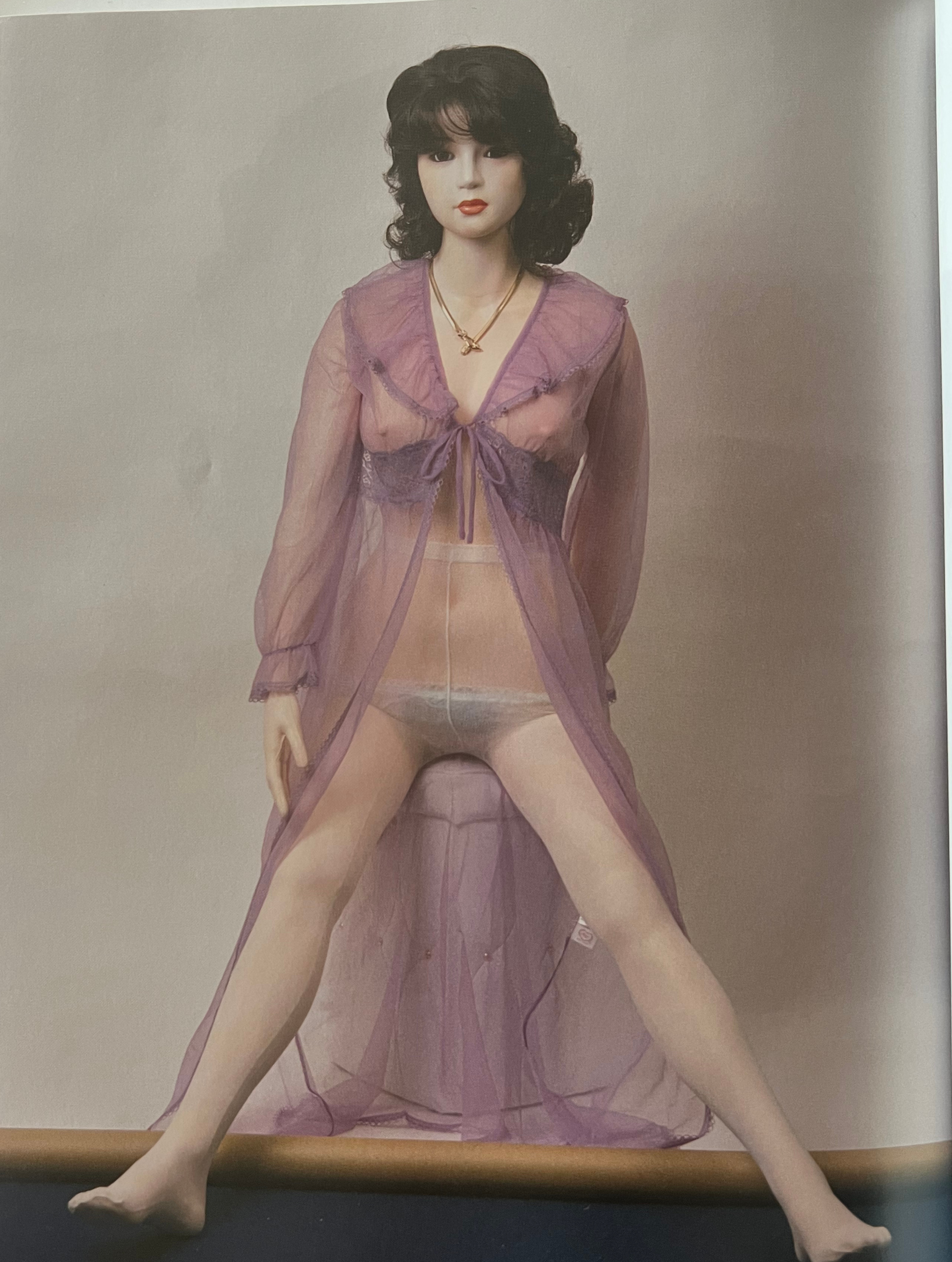
To meet this demand, joints were incorporated into both the arms and legs of Kagemi.
This structural improvement made it possible to create a much wider variety of poses than had been possible with Omokage.
Users could now adjust the doll’s posture more freely and create positions that better matched their individual preferences.
The neck could also be rotated, allowing the direction of the face and overall expression of the doll to be changed more naturally.
A Major Improvement in Internal Structure
The evolution of Kagemi was not limited to its movable joints.
Its internal structure was also significantly improved, with greater attention given to both durability and elasticity.
As a result, the product was designed to withstand a user weight of up to 120 kg.
This represented an important development from Omokage, reflecting the growing importance of durability and practical usability in love doll design.
Maximum supported user weight: 120 kg
The internal structure was reinforced to improve both durability and elasticity.
The improvements also extended to storage and transportation.
While Omokage already allowed the arms and legs to be detached, Kagemi introduced a further improvement: the head could also be removed.
This made the doll easier to store and represented another example of how practical considerations were incorporated into the product design.
Attention to Appearance and Realism
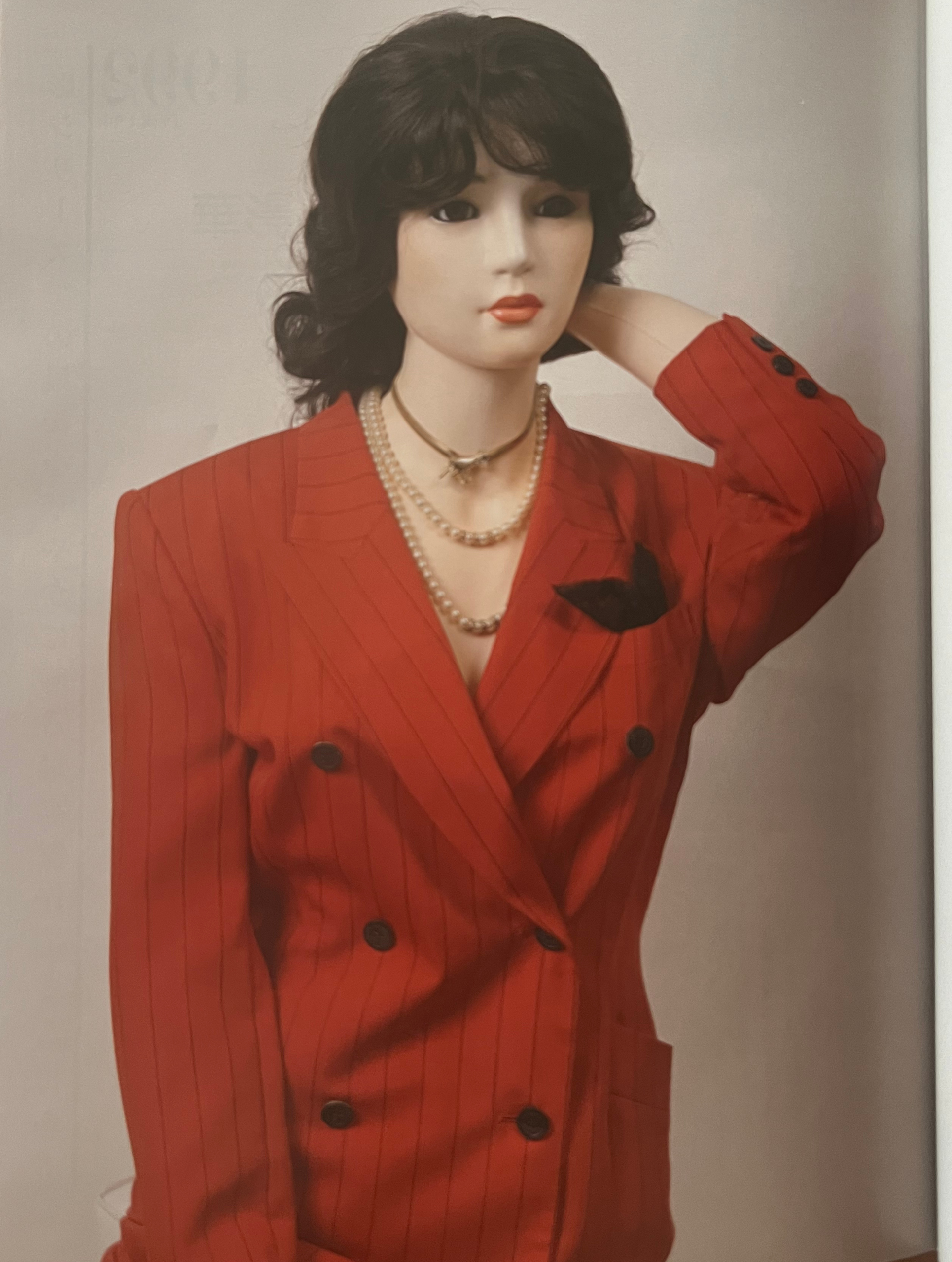
While functionality was an important part of Kagemi’s development, considerable attention was also given to its appearance.
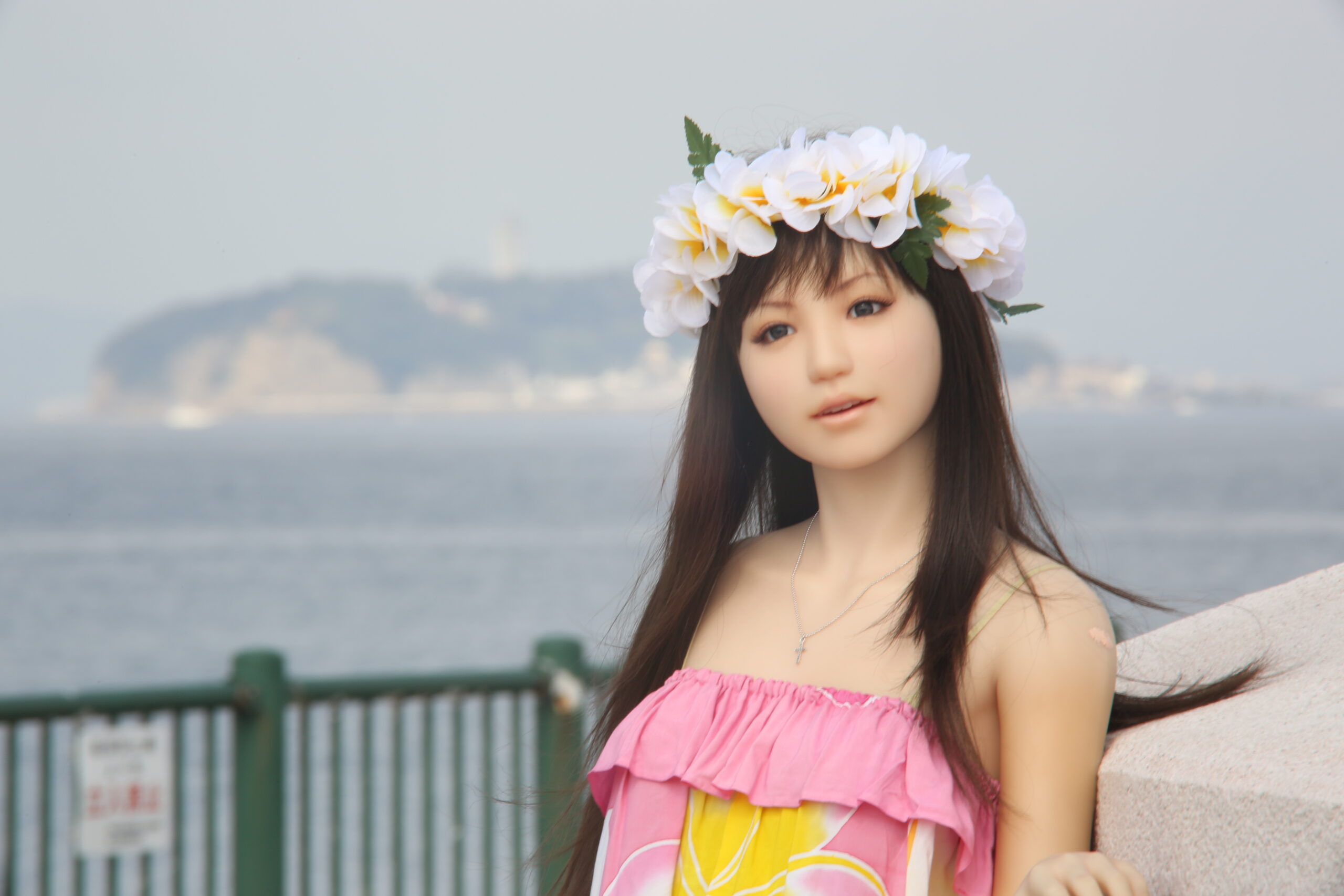
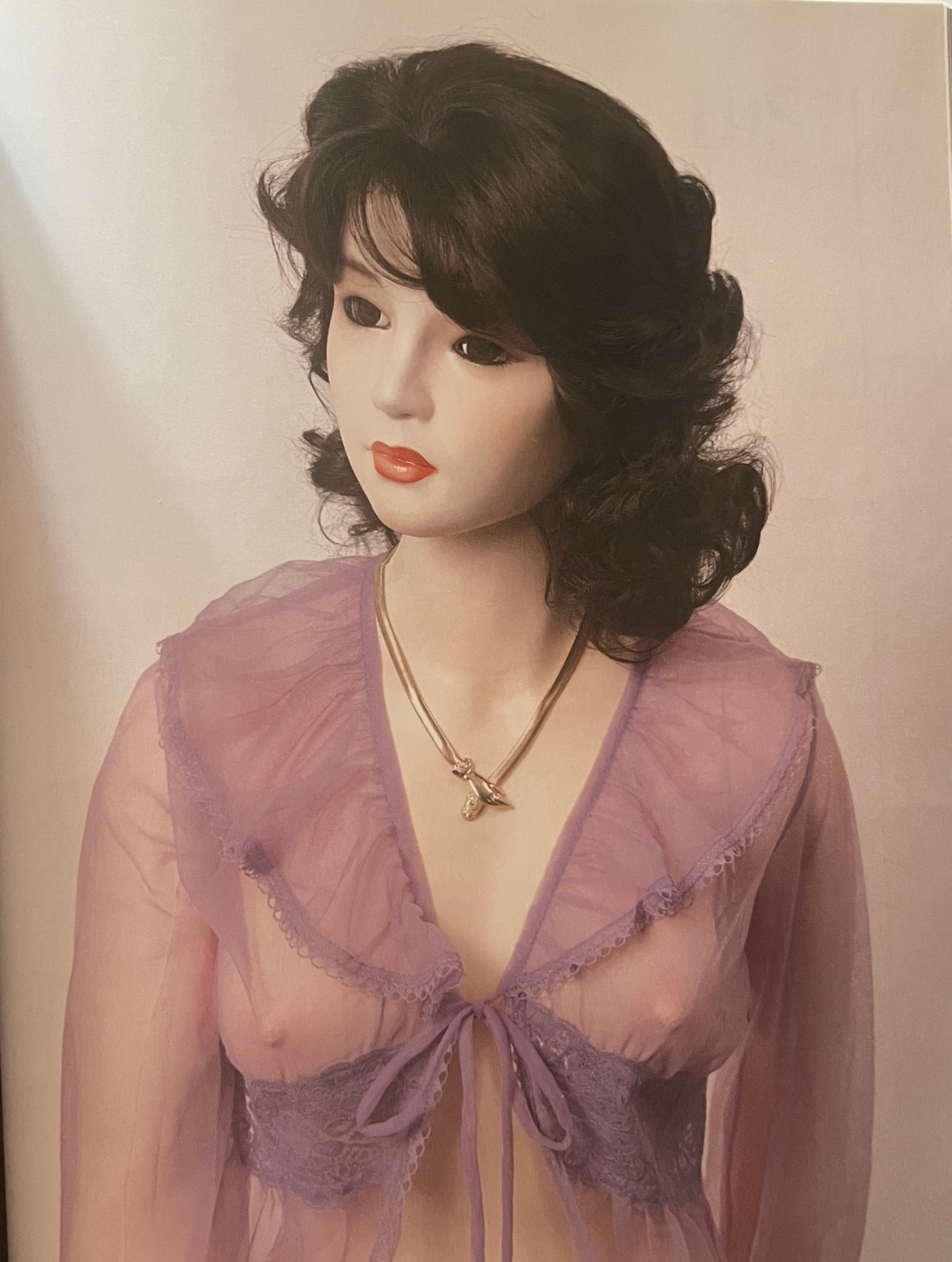
The doll featured 100% human hair, adding a more natural impression to the overall appearance.
The eyes were also designed to be movable, allowing for subtle changes in expression and direction of gaze.
These details may appear small individually, but together they contributed to a more natural and personal presence.
Interestingly, the facial design was not intended to represent an exceptionally glamorous or idealized beauty.
Instead, the face was designed with the idea of creating an appearance that would remain familiar and appealing over time — a face that users could continue to feel comfortable with rather than one based solely on conventional standards of beauty.
The Meaning Behind the Name “Kagemi”
The name “Kagemi” was inspired by the concept of someone who is always by your side, accompanying you without ever leaving.
This idea reflects an important aspect of the product’s identity.
Kagemi was not simply developed as a technically improved version of its predecessor. Its name also expressed the idea of a presence that remains close to the user and shares everyday life with them.
Kagemi was a significant step forward from Omokage.
By incorporating movable joints, improving the internal structure, increasing durability and elasticity, and paying greater attention to details such as human hair and movable eyes, Orient Industry continued to explore what users wanted from a more realistic and expressive love doll.
With a selling price of ¥190,000 and a latex construction, Kagemi represented another important stage in the technological and conceptual evolution of Orient Industry’s products.
From Omokage to Kagemi
The development of Kagemi demonstrates how feedback from actual users could directly influence the evolution of a product.
Omokage had introduced a non-air-filled structure and a more lifelike tactile experience. Kagemi then took another step forward by giving the body greater freedom of movement and improving its internal durability.
The progression from one model to the next was therefore not simply a matter of changing the exterior appearance.
It was a process of identifying limitations, listening to users, and finding new ways to overcome those limitations through materials, structure, and design.
Kagemi became another important milestone in the continuing history of Orient Industry’s pursuit of a more natural, durable, and expressive love doll.