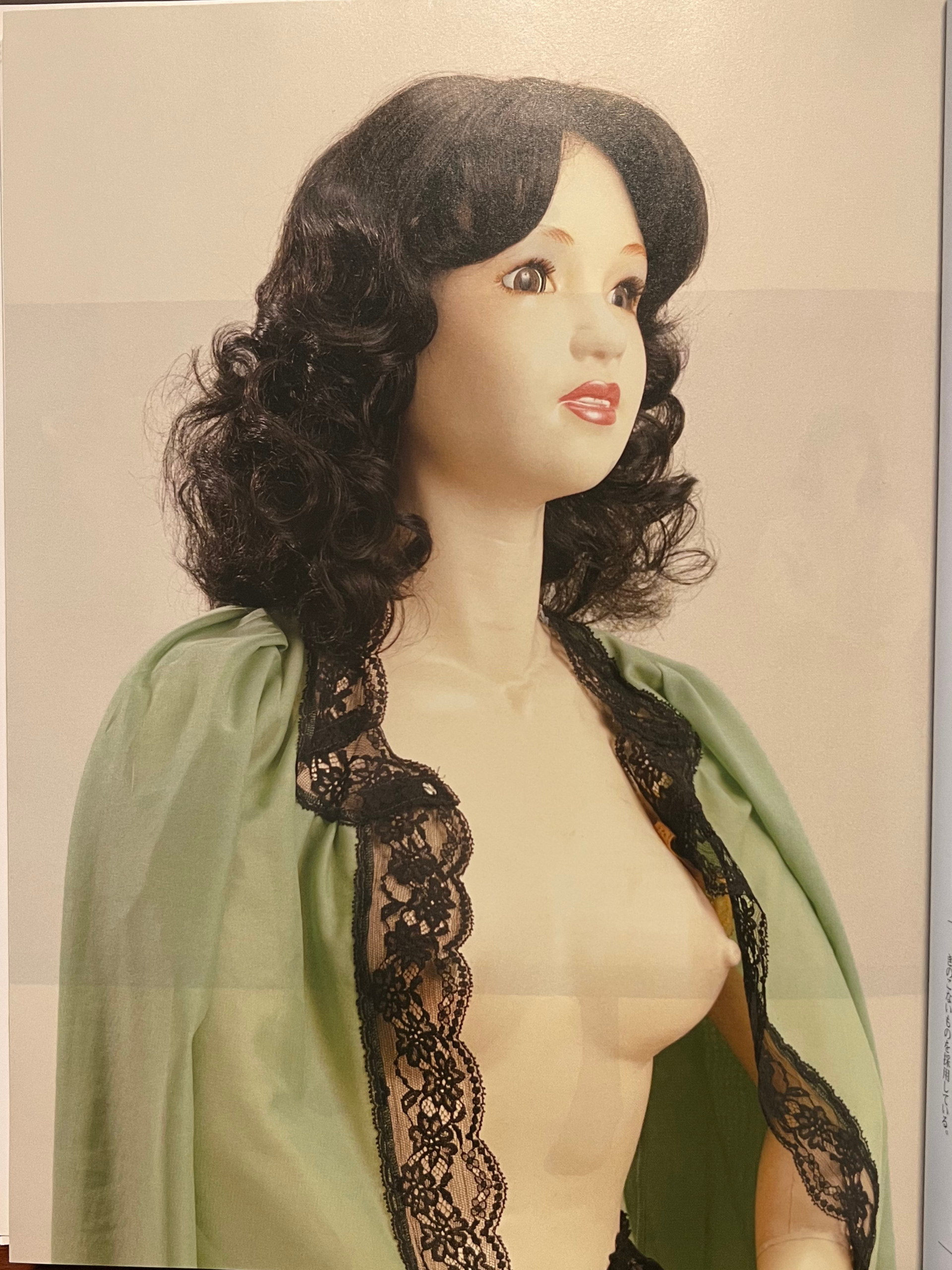
Five years after the launch of “Hohoemi”
Orient Industry continued to listen closely to the voices and experiences of its customers.
Following the release of “Hohoemi,” Orient Industry began receiving an increasing number of messages and personal accounts from users. Among them were stories from people who said that the dolls had helped them through difficult circumstances and provided a sense of comfort and emotional support.
These experiences gradually helped clarify one of the fundamental ideas behind Orient Industry’s work: creating and providing dolls that can stand beside people emotionally and offer a sense of companionship and support.
This philosophy was also reflected in the company’s approach to customer service. Orient Industry established the Ueno Consultation Office, the predecessor of today’s Ueno Showroom. Visitors could receive detailed information about the products, while in some cases, the company also provided personal consultations to those considering a purchase.
From “Hohoemi” to “Omokage”
Five years after the launch of “Hohoemi,” Orient Industry introduced its second product, “Omokage.”
The name “Omokage,” which evokes the lingering image or memory of someone dear, was inspired by a personal account written by a customer who had lost his beloved wife.
Rather than simply being another new product, “Omokage” reflected a deeper understanding of the emotional reasons why some people sought companionship through these dolls.
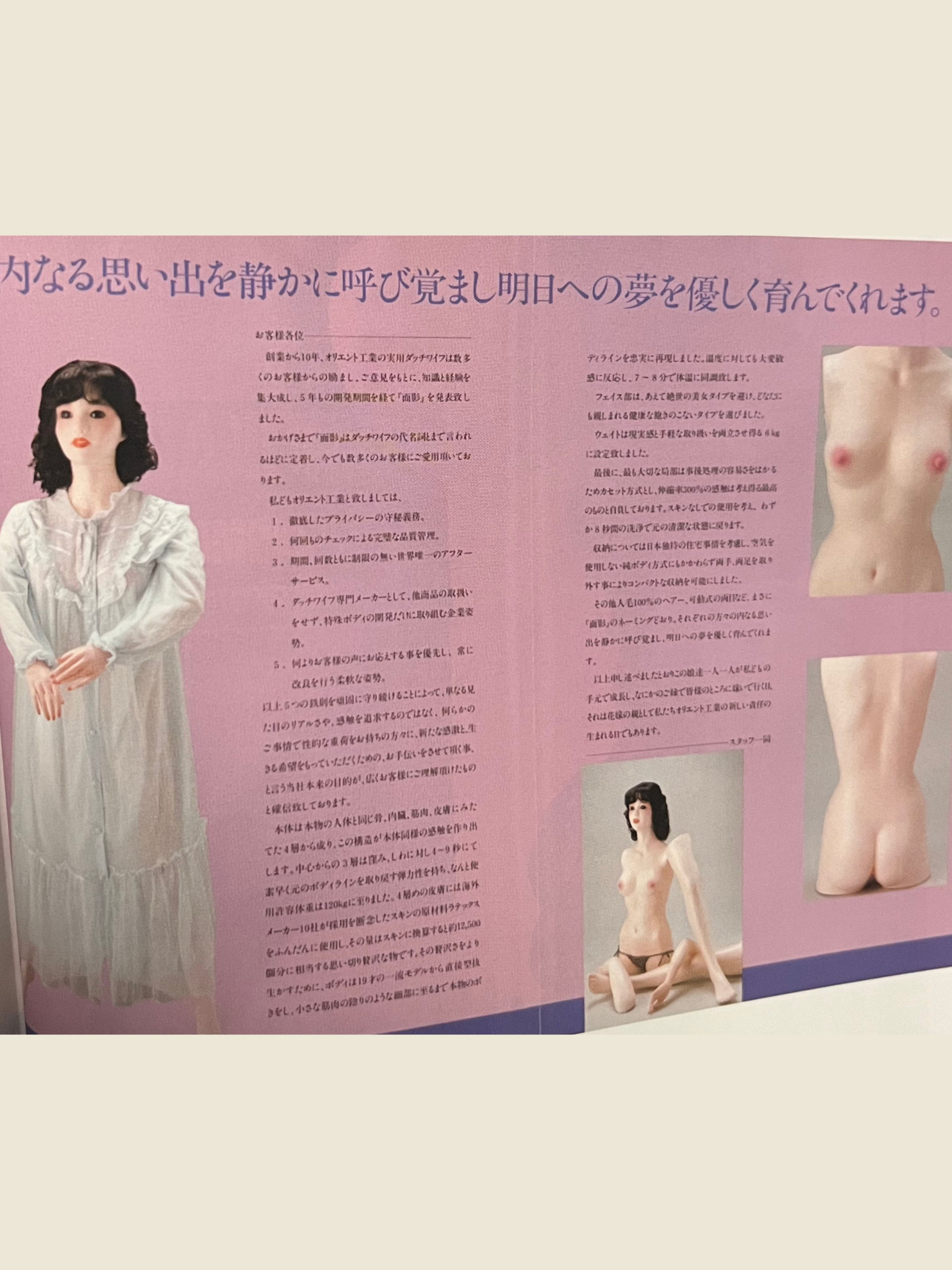
A Major Change in Materials and Structure
One of the most significant developments introduced with “Omokage” was its internal construction.
The outer skin was made from latex, while the inside of the body was constructed using foamed urethane. Unlike earlier inflatable designs, “Omokage” no longer relied on air to maintain the shape of the body.
At a time when inflatable vinyl products were strongly associated with the conventional image of a “Dutch wife,” the introduction of a latex-bodied doll represented a significant technological step forward.
From an inflatable structure to a solid body.
This change addressed one of the major limitations of earlier products while also opening the door to a more natural sense of touch and a more durable construction.
The transition from soft vinyl to latex brought several important improvements. Because the body no longer depended on an air-filled structure, users no longer had to worry about punctures or air leakage in the same way as with earlier products.
Latex also offered a more elastic and resilient surface, bringing the tactile experience closer to that of human skin compared with the soft-vinyl construction used previously.
Practical considerations were also taken into account. To make storage easier, both arms and both legs could be detached, allowing the doll to be stored more conveniently when not in use.
A New Focus on Realism and Appearance
The development of “Omokage” was not limited to improvements in durability and internal structure. Considerable attention was also given to its appearance and the details that contributed to a more lifelike impression.
For example, the doll featured 100% human hair, adding a more natural appearance and texture to the head. The eyes were also designed to be movable, allowing the expression of the face to be adjusted.
The design philosophy behind the face was particularly interesting. Rather than pursuing the appearance of an unrealistically perfect beauty, the design aimed for a face that felt familiar, approachable, and timeless—one that users could continue to feel affection for over time.
Designing for Both Practicality and Emotional Connection
Looking back today, the details incorporated into “Omokage” reveal an important direction in Orient Industry’s product development.
Durability and functionality were certainly important. At the same time, the company was paying increasing attention to the elements that allowed users to develop a personal sense of attachment to the doll.
The use of human hair, movable eyes, a carefully considered facial design, and a body that was easier to store all reflected an attempt to balance practical usability, physical realism, and emotional familiarity.
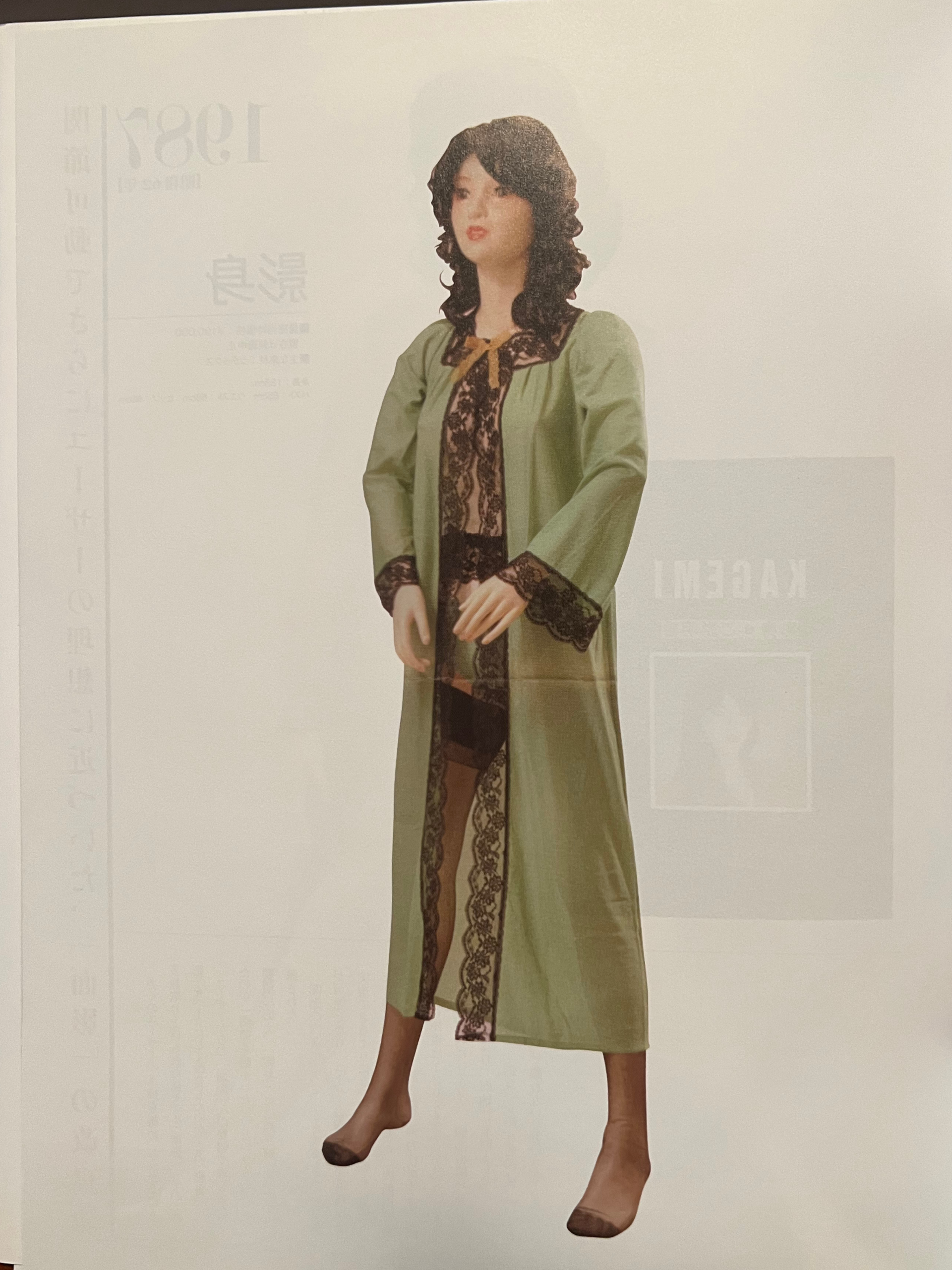
The Beginning of a New Direction
“Omokage” represented much more than an improvement over the company’s first product.
The move from soft vinyl and inflatable structures toward latex and foamed urethane addressed practical problems such as durability and air leakage, while also creating a softer and more resilient tactile experience.
At the same time, the attention given to hair, eyes, facial design, and storage demonstrated that product development was increasingly considering not only how a doll functioned, but also how a person would feel when living with one.
“Omokage” marked an important step in Orient Industry’s evolution.
It was a product shaped by the voices and experiences of users, combining advances in materials and construction with a growing emphasis on realism, practicality, and emotional connection.
The ideas explored through “Omokage” would continue to influence the development of Orient Industry’s dolls in the years that followed.