Looking back at Orient Industry’s history, we can see that the evolution of its products has been driven by more than improvements in sculpting and construction. Rethinking the material used for the outer skin was also an important part of making the dolls easier to maintain and enjoy.
“Asuka,” introduced around the company’s 20th anniversary, represents a turning point in this evolution. How did the adoption of soft vinyl open new possibilities for the products that followed?
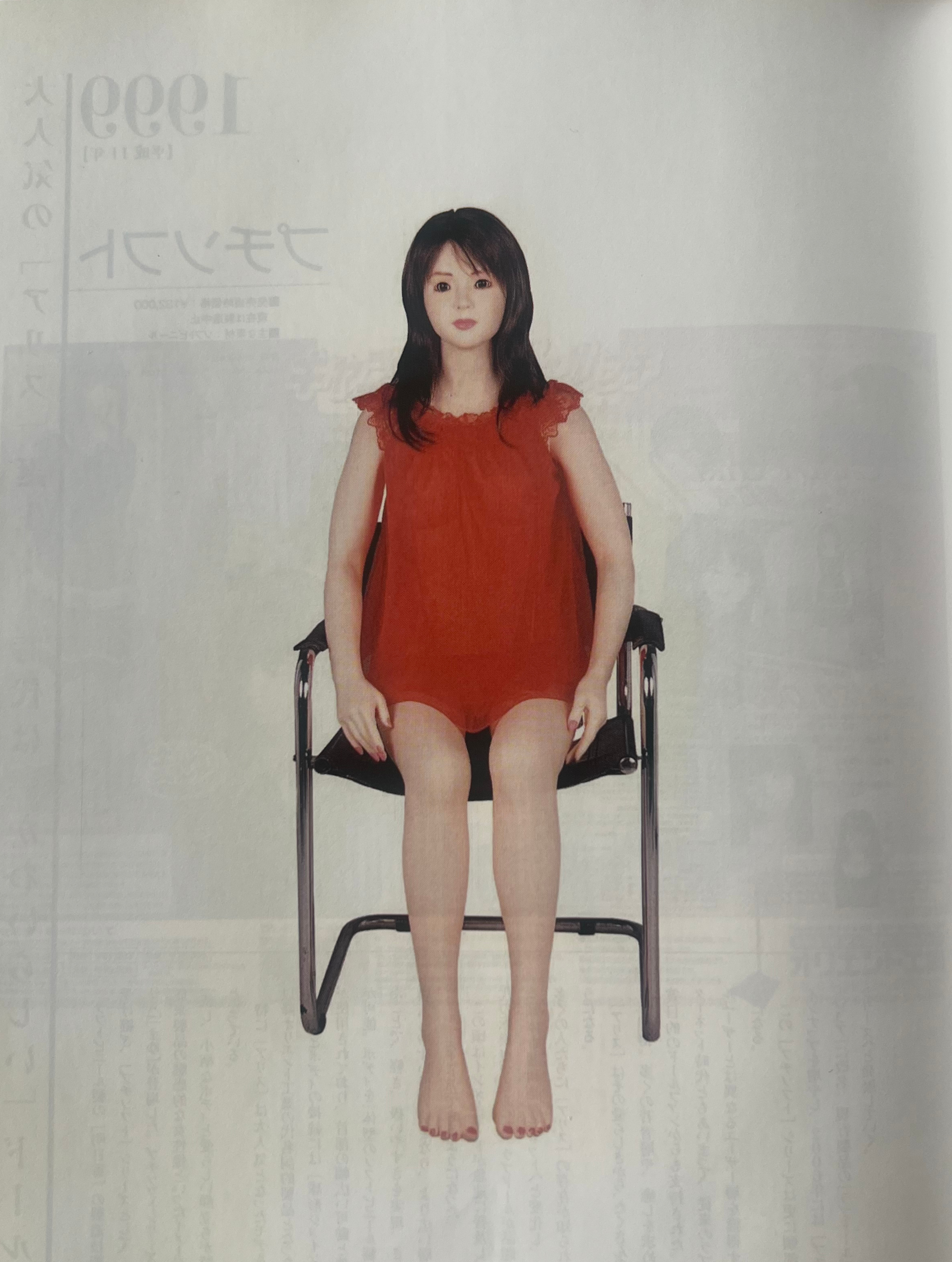
Asuka, released as a limited-edition model commemorating Orient Industry’s 20th anniversary
Rethinking Materials for Easier Care
At the time, latex was the primary material used for doll skins. Although flexible, it had some practical drawbacks: it tended to get dirty easily, and keeping it clean required considerable care and maintenance.
For a product intended to be enjoyed over the long term, appearance and sculpting were not the only considerations. Ease of everyday care mattered, too. To address these issues, Orient Industry began exploring soft vinyl as an alternative to latex.
Changing materials involved more than simply replacing one raw material with another. Molding methods, manufacturing processes, and the final quality of the product all needed to be considered. Extensive prototyping and evaluation were necessary to turn the new material into a finished product.
Asuka: The 20th Anniversary Model
Asuka, part of the Candy Girl series, was developed from a prototype body created during the company’s efforts to introduce soft vinyl.
Released for a limited time to commemorate Orient Industry’s 20th anniversary, Asuka was priced at ¥168,000. It was not only a commemorative model but also a symbol of the company’s efforts to incorporate a new material into its products.
Key Features of Asuka
Original retail price: ¥168,000
Joint mechanism: Movable joints using specialized metal fittings
Eye mechanism: Movable “Wink Eye” system
Head construction: The head and body were molded in soft vinyl; the head was not interchangeable with other models
Specialized metal fittings were used for the movable joints, while the eyes featured the “Wink Eye” mechanism. The head and body were molded in soft vinyl, however, and the head was not designed to be exchanged with heads from other models.
Asuka therefore brought together two aspects of the product design of its time: the mechanical features of the existing construction and the challenge of adopting a new material. While its specifications differ from those of modern products, the model offers an interesting glimpse into the technology and design priorities of the period.
How Soft Vinyl Changed Product Development
The introduction of soft vinyl offered benefits beyond simply changing the skin material. Compared with latex, it was less prone to getting dirty and easier to maintain. It also offered the advantage of helping to reduce manufacturing costs.
Soft vinyl could reduce the burden of routine care while opening up new possibilities in production. These advantages led to its continued use in products released after Asuka, and it eventually became one of the materials used in Orient Industry’s established product lineup.
Asuka was therefore more than a limited-edition anniversary model. It marked an important stage in Orient Industry’s exploration of new materials and its progress toward the next generation of products.
A New Era Begins with Asuka
The history of product development shows that progress does not always come from dramatic changes in appearance. Resistance to dirt, ease of maintenance, and suitability for manufacturing all matter. Reconsidering both the user’s experience and the technical challenges of production can create opportunities for new products.
Developed from a prototype created during the transition toward soft vinyl, Asuka became a symbol of this change at Orient Industry. Its introduction helped pave the way for soft-vinyl products to become a regular part of the company’s lineup, marking the beginning of a new era.