Turning away from the image of the “Kage Series,”
Orient Industry sought to introduce love dolls to a wider audience.
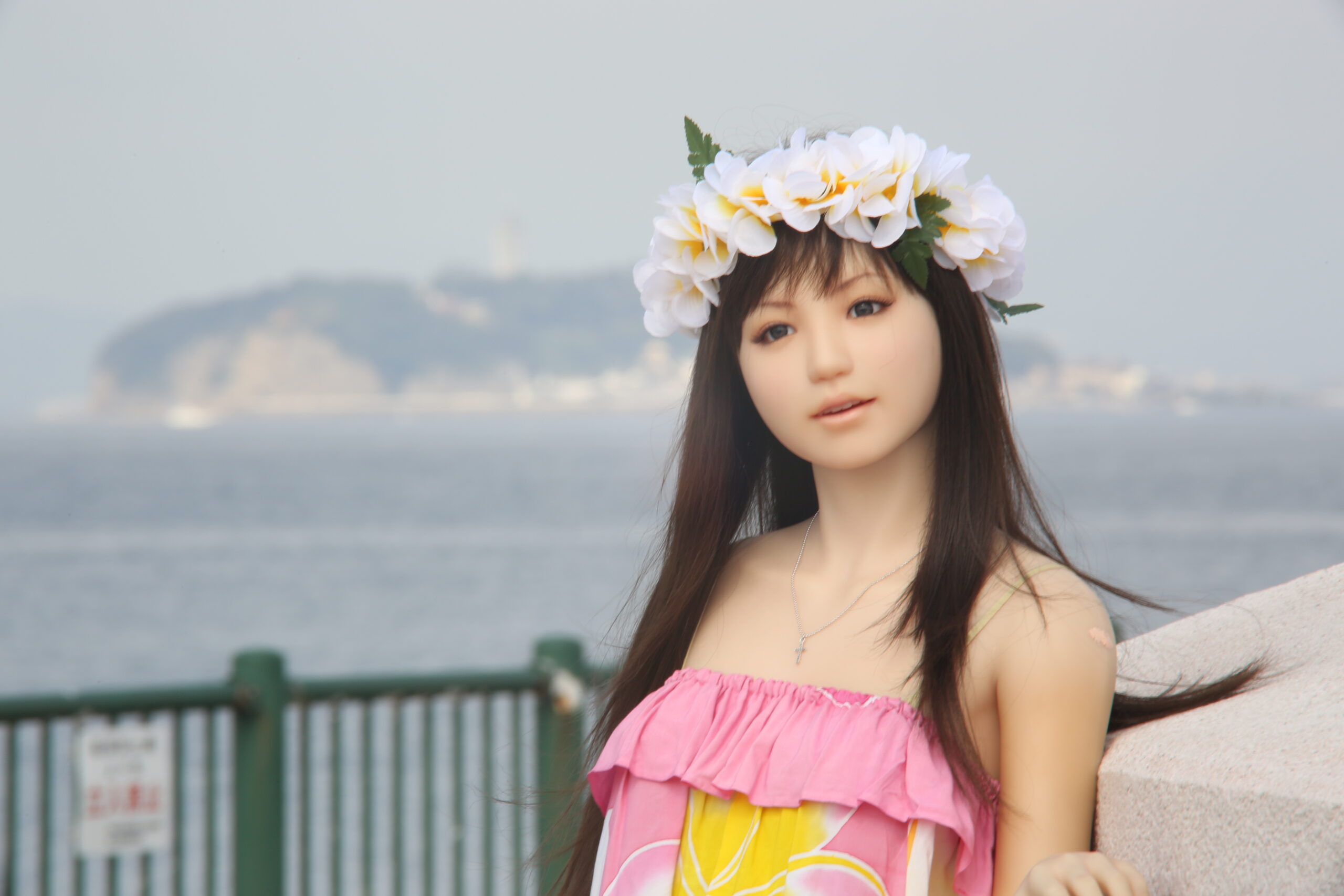
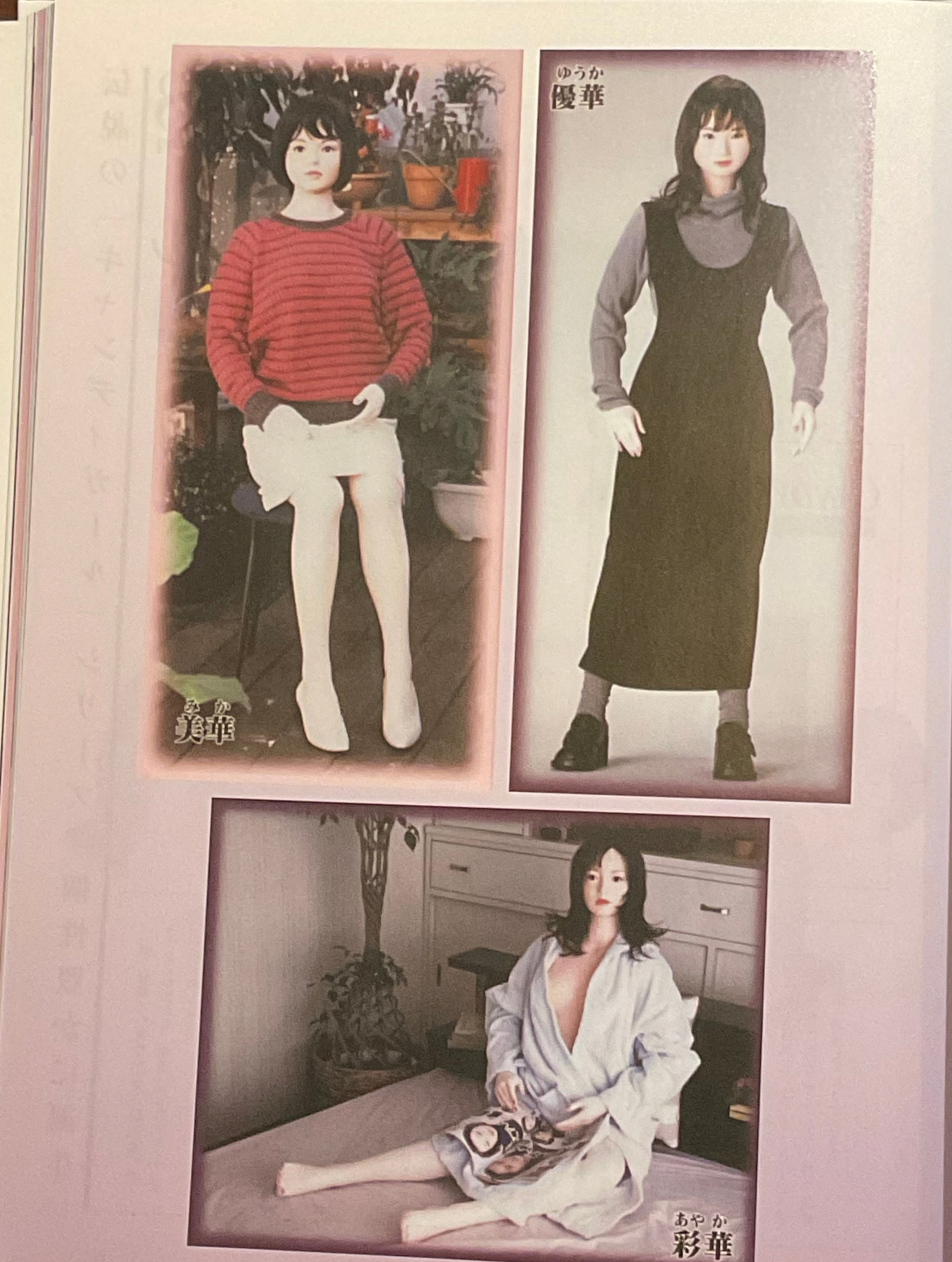
From this new direction came the “Hana Sisters” (華三姉妹).
Following the development of “Hohoemi,” “Omokage,” “Kageshin,” and “Kagehana,” Orient Industry entered a new stage of product development with the introduction of the Hana Sisters.
While the Kage Series had focused heavily on aspects such as durability, posing ability, and internal construction, the Hana Sisters introduced another important concept: individuality and freedom of choice.
Inspired by the bright and cheerful image of flowers, the three sisters were designed as distinctive characters, each with her own appeal. The technology and experience accumulated by Orient Industry over the years were brought together in these three models.
Three Sisters, Three Personalities
The names of the three sisters were chosen to reflect their individual qualities.
Saika, Yuka, and Mika
Each name evokes a different quality—color, gentleness, and beauty. Together, they formed a trio with distinct personalities and appearances.
This represented a broader concept of product design. Rather than treating each doll simply as a finished, fixed product, Orient Industry began offering users more ways to choose and enjoy a doll according to their individual preferences.
A New Approach to Creating an “Ideal” Doll
One of the most notable features of the Hana Sisters was the introduction of multiple head variations.
The heads shared a common attachment system, allowing them to be interchangeable. Individual heads were also offered as optional products, making it possible for users to change the head according to their personal preferences.
Instead of simply choosing one finished combination, users could think about which appearance they preferred and which combination best suited their own image of an ideal doll.
The slogan used in the catalog at the time, “The ultimate masterpiece for an age of individuality,” captured this philosophy.
Body Variations Designed for Different Uses
The Hana Sisters offered flexibility not only in their heads, but also in the structure of the body.
The body could be separated into the arms, legs, torso, and head. Two leg variations were also offered: extended legs and bent legs.
This made it possible to accommodate both standing and seated poses, giving users greater flexibility depending on how they wanted to display and enjoy their doll.
The goal of the Hana Sisters was not simply to increase the number of options.
They were developed in response to users who wanted a doll that could come as close as possible to their own ideal of a woman. The product concept was therefore expanded to accommodate the differences in preferences and intended use from one user to another.
A Major Change in Facial Sculpting
The arrival of the Hana Sisters marked an important change not only in product configuration, but also in the way Orient Industry approached facial sculpting.
Around this time, a new sculptor joined the development team, bringing a significant improvement to the quality and expression of the dolls’ faces.
From Mannequin-Like Features to a More Realistic Appearance
The earlier mannequin-like facial features and makeup gradually gave way to more natural and realistic facial designs.
The sculpting and makeup were reconsidered as a whole, with greater attention paid to the overall balance of the facial features and the expression created by the makeup.
The result was a different sense of realism—faces that retained a sense of beauty while also creating a more lifelike impression.
This evolution in facial design would become one of the important turning points in the development of Orient Industry’s dolls.
From a “Finished Doll” to a Doll You Could Make Your Own
With the arrival of the Hana Sisters, Orient Industry’s dolls began to offer something beyond simply choosing one completed product. Users could now choose and combine elements according to their own preferences.
Interchangeable heads, different leg configurations, a divisible body structure, and three sisters with distinct personalities all contributed to this new approach.
At the heart of the concept was a simple idea: everyone has a different image of their ideal doll.
Rather than focusing solely on technical development, Orient Industry began placing greater emphasis on the individuality and choices of each user. The Hana Sisters were therefore an important series in the evolution of Orient Industry’s approach to product design—one that expanded from technological development toward individuality and personal choice.