Reality and fiction—these two great themes have been matters of profound concern ever since humanity first attained consciousness. One might rephrase this as “lies” and “truth,” yet there is no such thing as a “pure” lie; the Japanese have long held that even a lie contains a fragment of truth, while conversely, there is no such thing as absolute truth—indeed, they have regarded perfect truth as tantamount to a lie. In short, the realm of “actuality”—this very world we inhabit—exists in the space between lies and truth.
The human heart invariably views the world by reflecting it within itself; it possesses an inherent tendency to see the world exactly as it wishes to see it.
As the saying goes, “a hundred people, a hundred colors”; a hundred minds perceive the world in a hundred different ways, and each mind harbors doubts, suspecting that the world as perceived by the other ninety-nine might well be a lie.
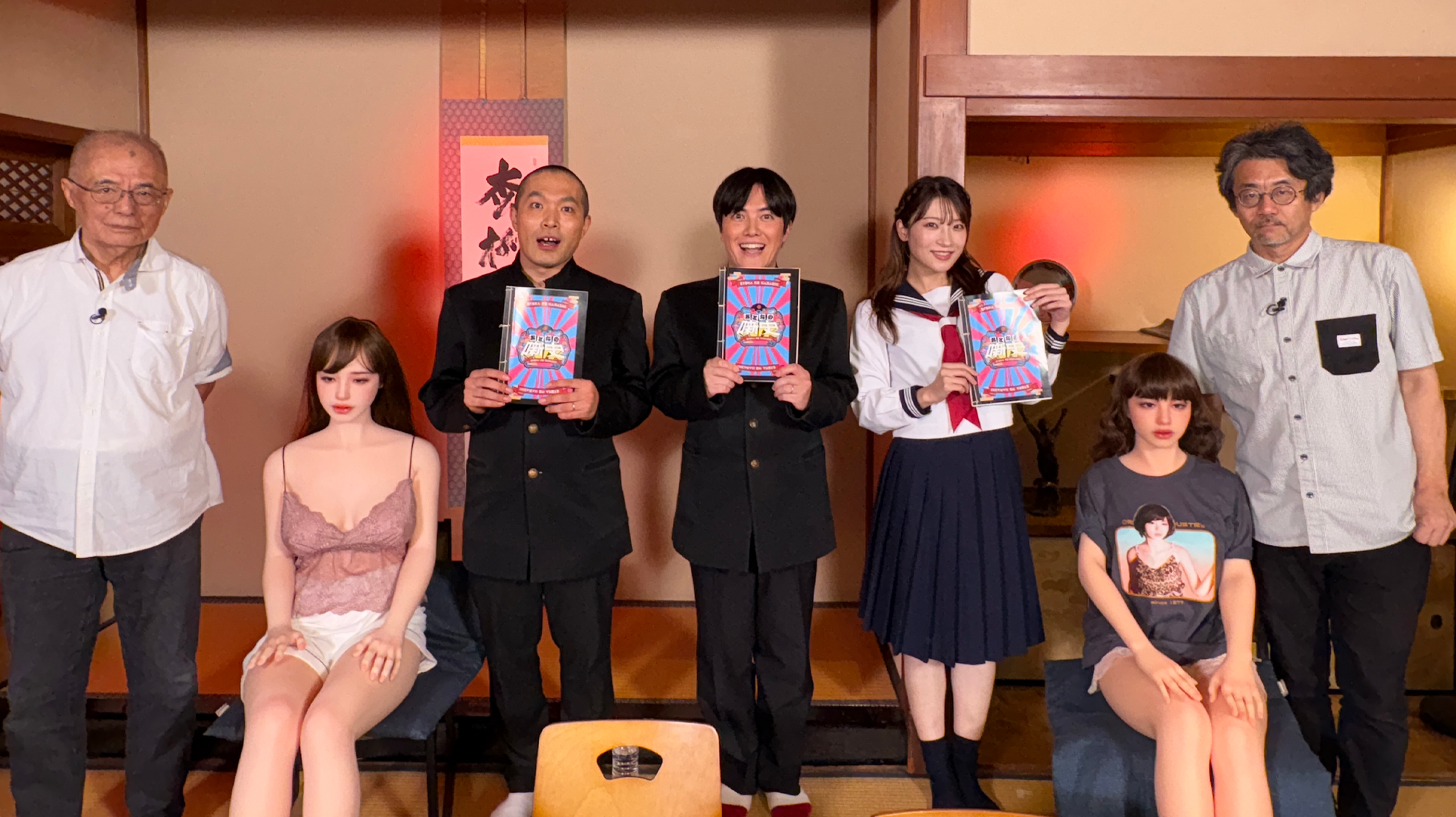
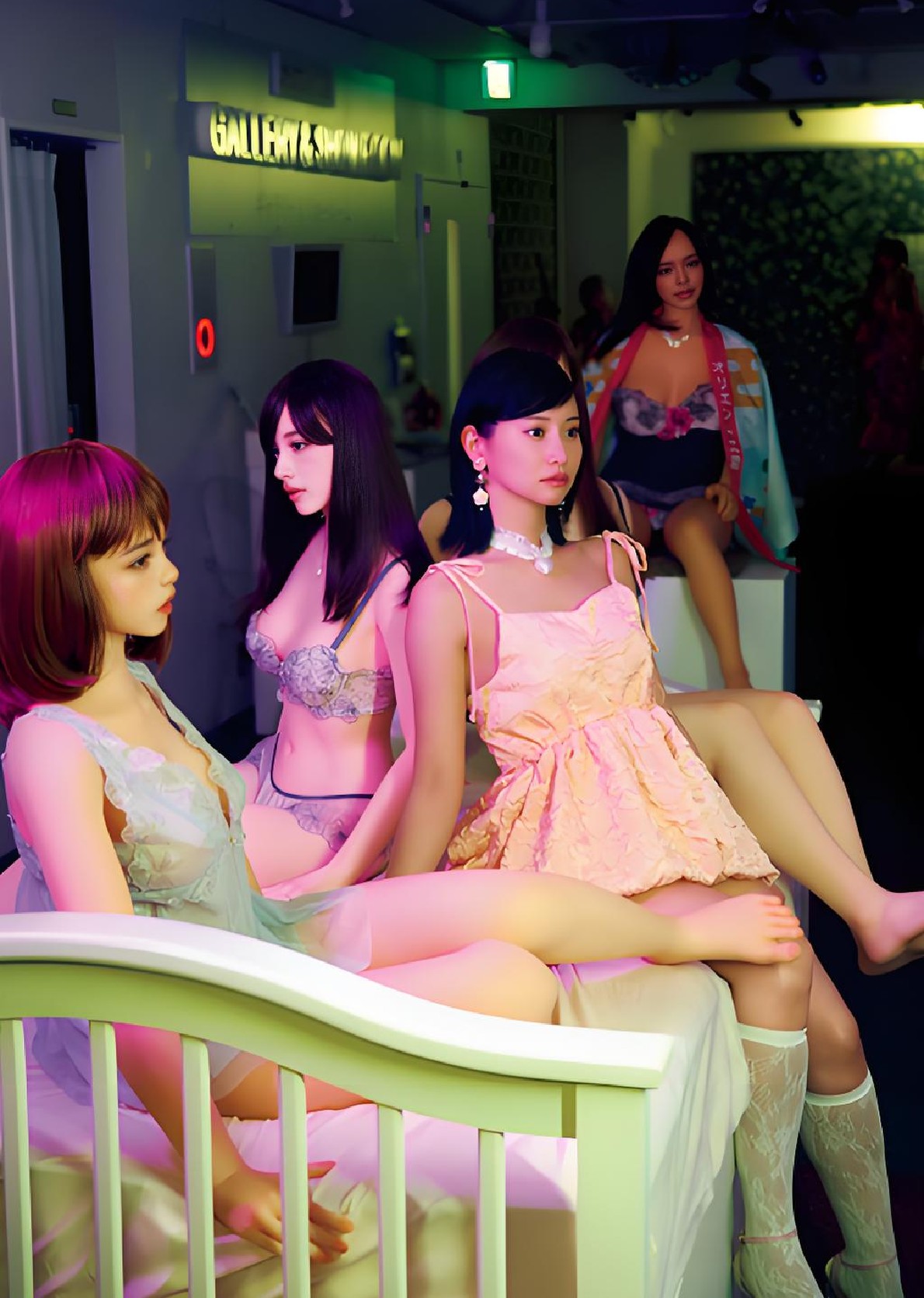
While “truth” may not inherently exist within the human heart, since the dawn of civilization, humanity has adopted the convention of regarding truth as good and lies as evil. Mice squeak “chu,” crows caw “ko”—even they cry out “chu-ko” (loyalty and filial piety); how much more, then, is expected of humans? This reflects the ethical code of loyalty and filial piety from the Edo period—an ethical foundation regarding truth and lies that we moderns must now call into question. Then came the modern era, and a great European philosopher named Nietzsche published a book titled Beyond Good and Evil; since then, the boundary between lies and truth has become increasingly blurred. In recent times, the term “virtual reality” has emerged—a world where “virtual” signifies a lie and “reality” signifies truth, creating a realm that is, in essence, a “true lie.” Humanity, having advanced through the sophisticated machinations of technology, has finally reached an age where those very techniques allow us to transcend reality itself. As a symbol of this, I nominate the love dolls manufactured by Orient Industry—masterpieces of industrial history that are unprecedented and capable of overturning the history of civilization—for inclusion as World (Curio) Cultural Heritage.
Since the turn of the century, the human psyche has undergone ceaseless change. The advancement of women in society has been particularly remarkable; the arrival of a society where women are exalted and men disparaged—or perhaps a matriarchy—is becoming a distinct possibility in the near future. Young men today find themselves powerless before female authority, suffering from a condition I call “anti-female shrinking syndrome,” wherein both spirit and body wither away. Into this gloomy world, like a comet of hope bearing a glimmer of promise, have arrived these love dolls.
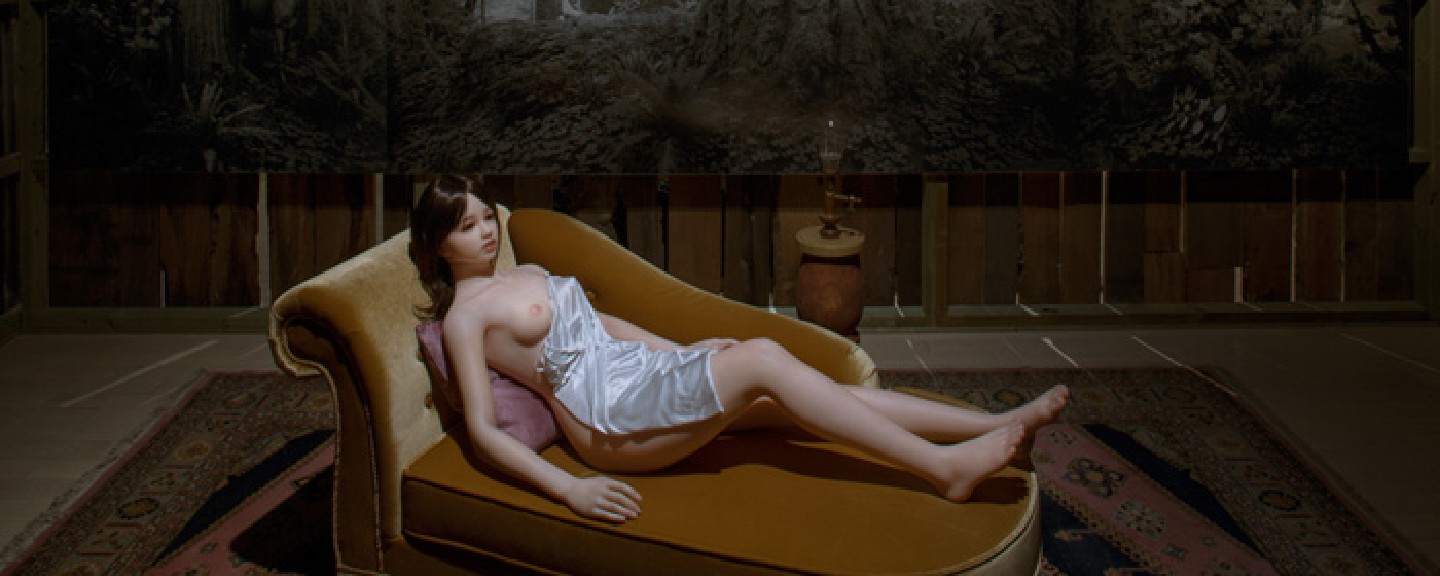
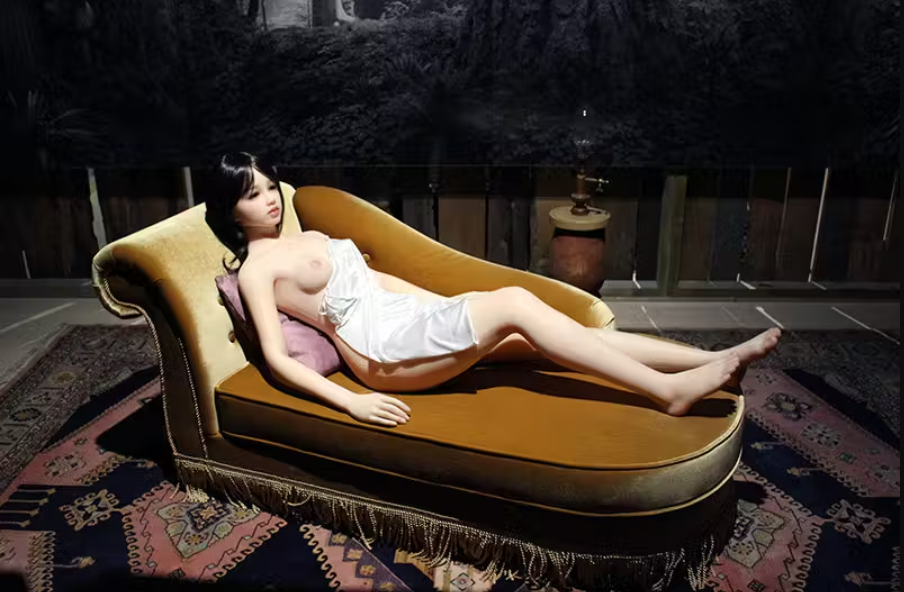
They are all beauties without exception—though, strictly speaking, while beautiful women often exude an air of power-seeking ambition, it is the “cute” type that—how shall I put it—stirs one’s baser desires. Yet, who is to say there is a hierarchy to such passion? That is a conundrum in itself. If base desire were to vanish from the human world, it would signal the extinction of humanity; indeed, it is base desire that ought to be registered as a Memory of the World. But I digress. The skin of these love dolls possesses a texture finer than that of a living person, and their red lips hold a fullness reminiscent of eternal virginity; they truly embody the ideal woman that young men of the Showa era once dreamed of. A reality that was lost is now being reborn as tangible reality here at Orient Industry.
Of course, challenges remain: an automatic body-temperature maintenance system to simulate human warmth; speech and sound-effect functions that respond when spoken to; automatic eye-contact capabilities; and automatic hip-swaying and constriction functions derived from massage-chair technology.
I dream that, once such technologies are perfected, a “heart” will finally come to dwell within these love dolls. Just as the human heart came to dwell within the being when the animal transformed into a human, come to think of it, the discovery of tools also paved the way for the emergence of the heart.