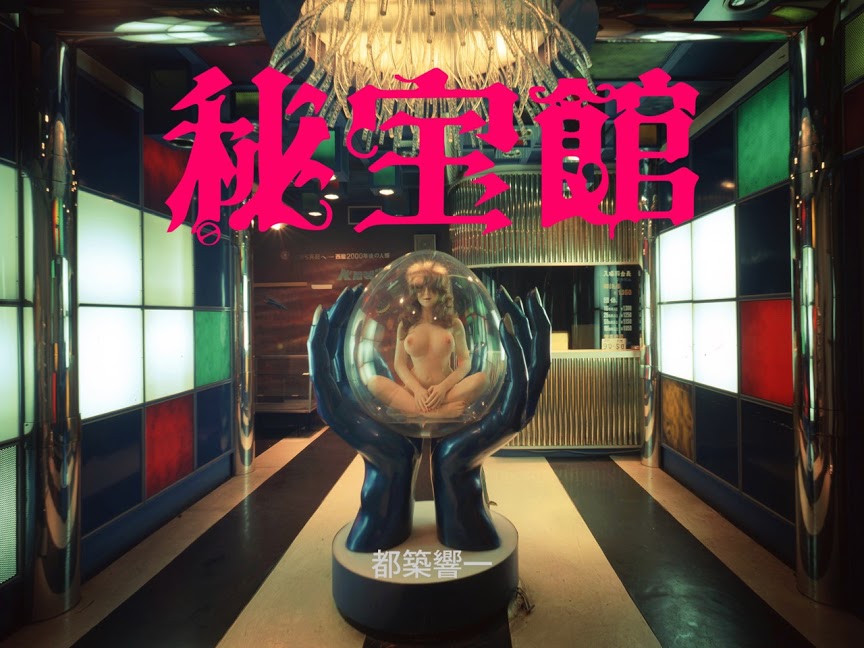
In the summer of 2016, I held an exhibition titled “God Resides in the Private Parts — Erotopia Japan Presented by Kyoichi Tsuzuki” at the “Akio Baroo” gallery in Shibuya.
It was a photography exhibition featuring Japan’s uniquely developed erotic culture, including the fetish museums, love hotels, and image clubs that I had been documenting since the 1990s. Naturally, it was restricted to visitors aged 18 and over.
The location was right next to Tokyu Bunkamura (although, ironically, a love hotel district was directly across the street), so I was worried about how it would be received. However, the result far exceeded expectations, with more than 10,000 visitors coming to the exhibition.
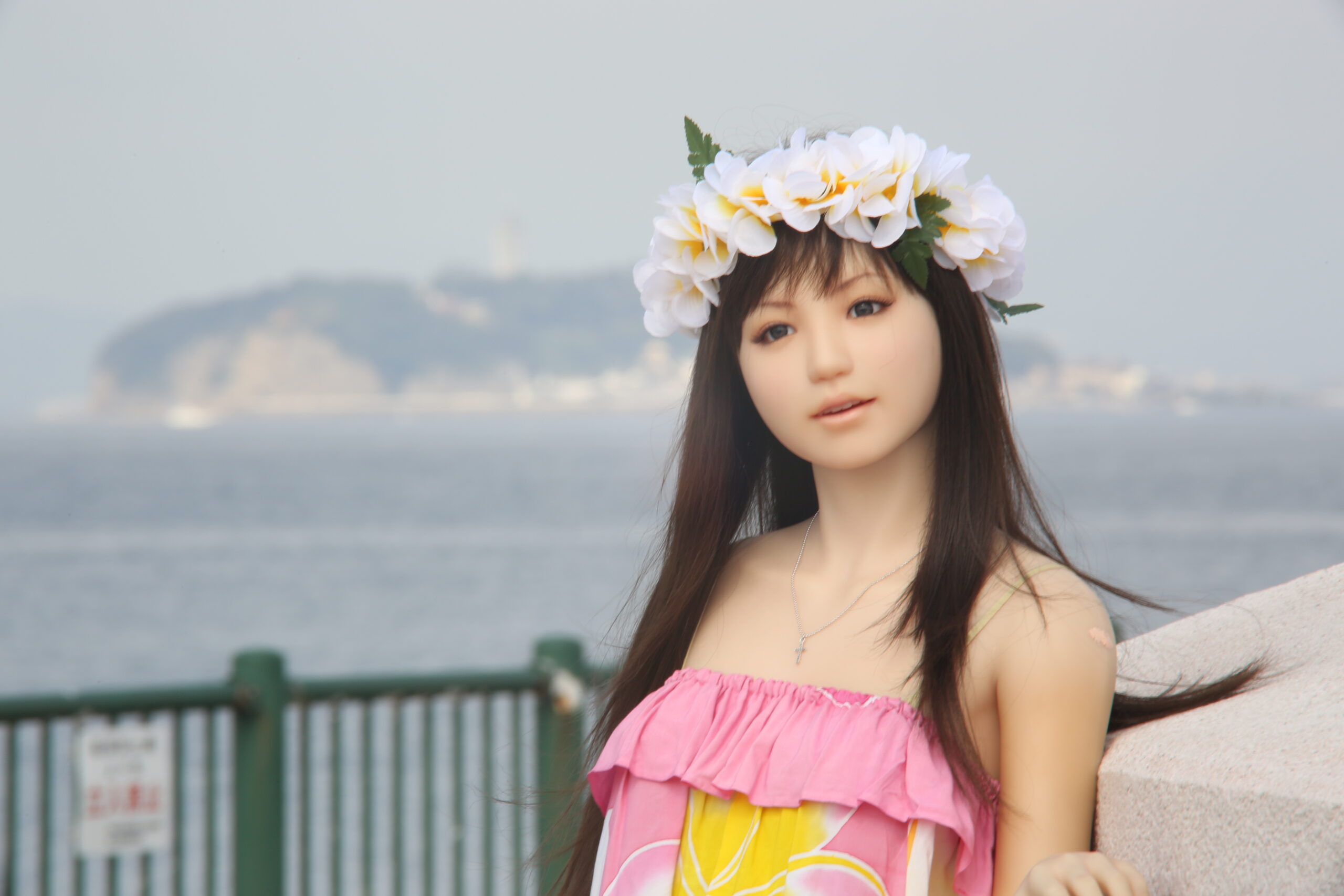
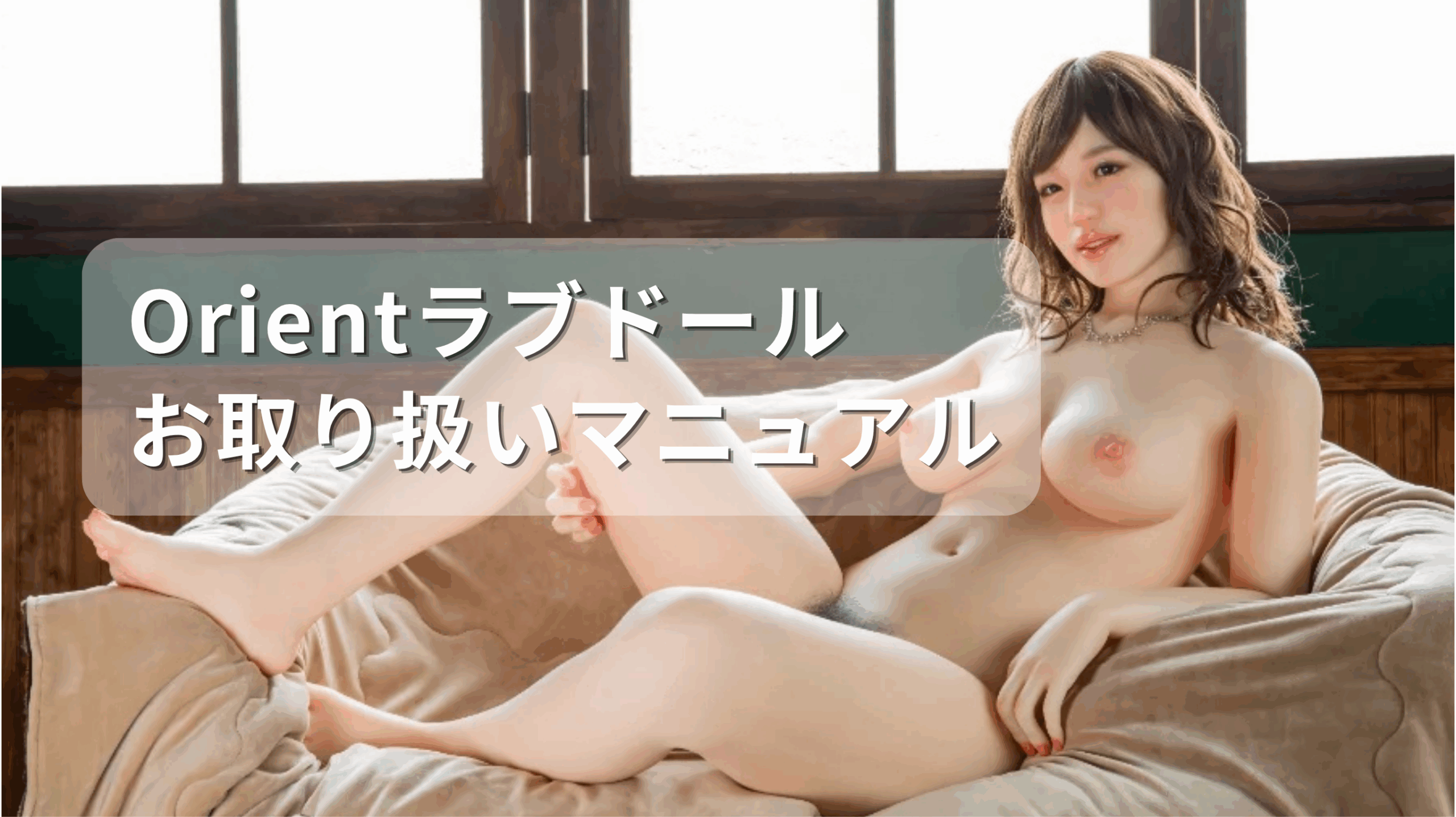
In addition to photographs displayed on the walls, the exhibition also featured actual dolls that once decorated fetish museums, as well as real love dolls borrowed from Orient Industry. The result was an extremely bizarre and niche space.
What surprised both me and the staff was that 70–80% of the visitors were women — overwhelmingly young women.
Since photography was permitted throughout the venue, young women excitedly took selfies with the fetish museum dolls and love dolls while laughing and chatting. Meanwhile, behind them, solitary male visitors stood awkwardly, unsure of what to do. It was a refreshing scene, and one that strongly reflected the changing times.
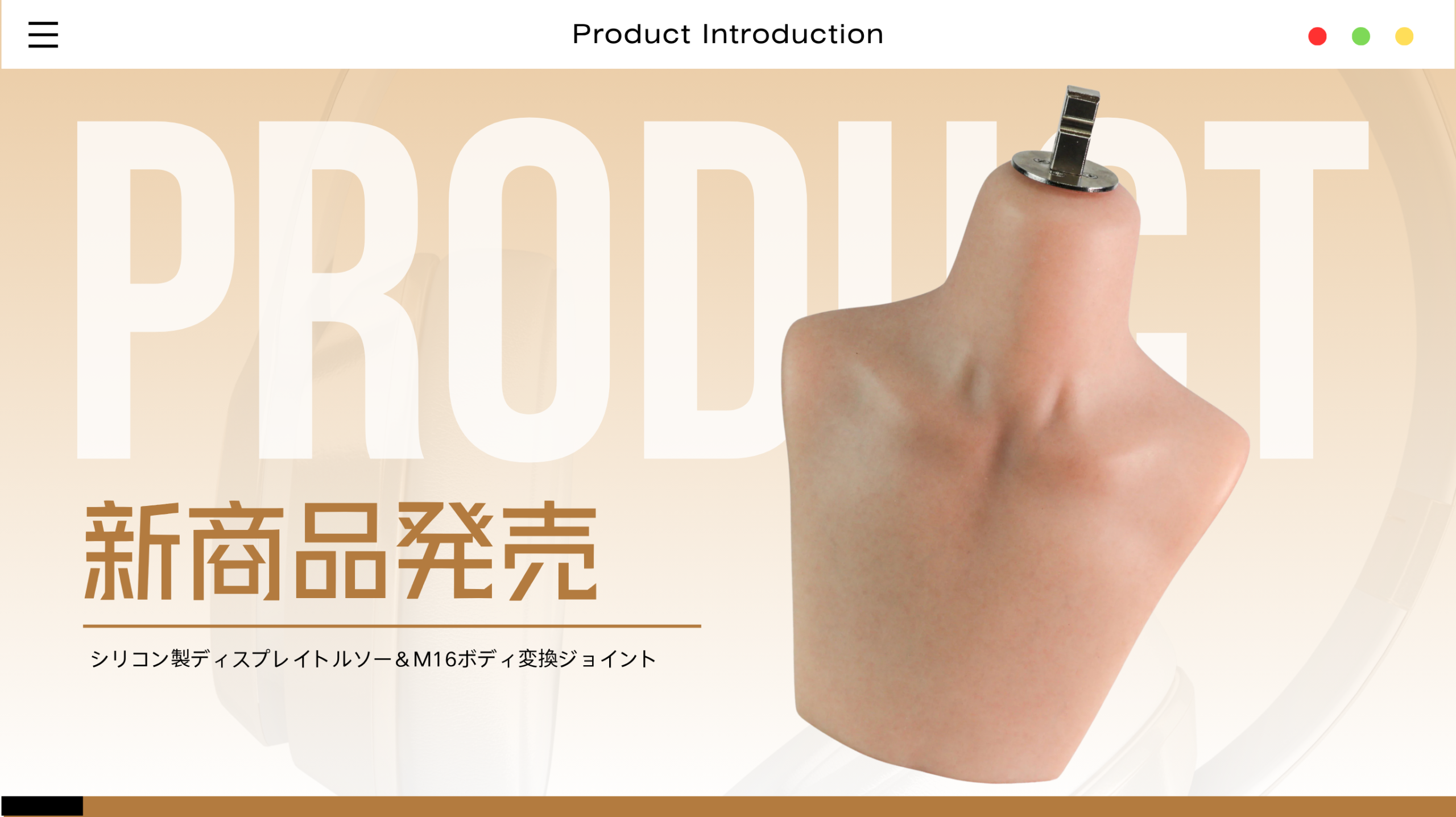
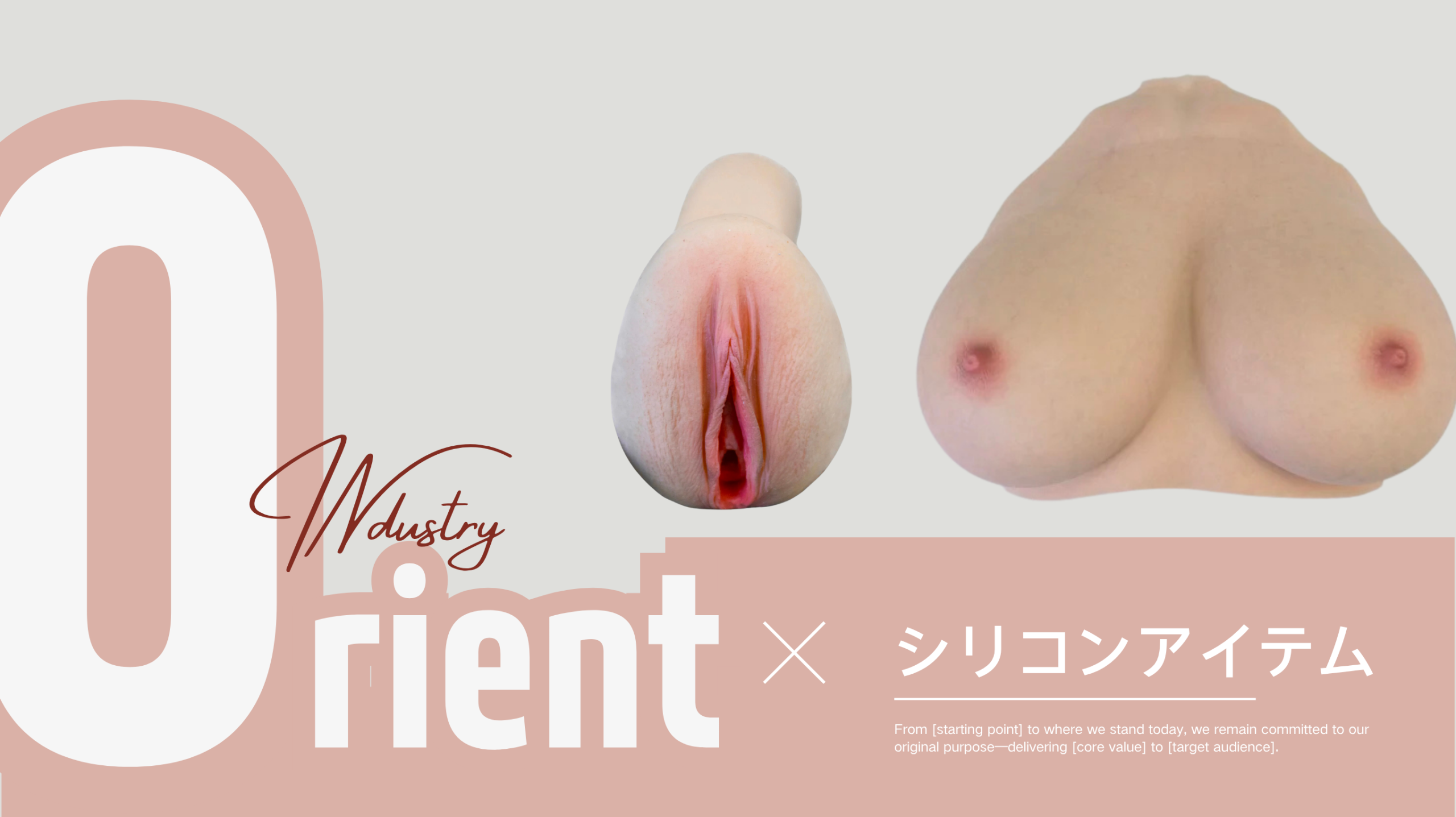
Orient Industry kindly provided several items for the exhibition: a doll from their “Furniture Series,” which is built into a bookshelf, one full-body doll, and two detachable “holes” used with love dolls. I displayed them with signs saying “Touch Allowed” and “Finger Insertion Experience Available.”
Above all, I wanted visitors to experience the unique sensation of artificial silicone skin. I placed wet wipes beside the displays and added a note:
“Please wipe your fingers before touching, and handle gently.”
However, men were surprisingly hesitant to touch them. Even after staff encouraged them repeatedly, most would only cautiously stroke a thigh.
The young women, on the other hand, immediately grabbed the breasts firmly or pinched the nipples without hesitation. Their fearless handling was enough to make the staff nervous.
The gallery also had a bar counter. At one end, we created a small enclosed space separated by curtains, placed a “hole” inside, and allowed visitors to experience the sensations of tightness and texture by inserting their fingers.
Once again, the women were far more enthusiastic.
Rather than feeling embarrassed, some boldly inserted their fingers and laughed:
“Wow, it’s just like mine!”
Watching this, I almost wanted to reply:
“Actually, yours might not be as good.”
But at the same time, I realized that I was becoming someone left behind by the times.
What exactly is an artificial sexual organ that can make a 20-year-old woman shout, “It’s just like mine”?
Many female visitors asked a perfectly reasonable question:
“If something like this already exists, isn’t that enough?”
They could not understand why someone would spend hundreds of thousands of yen to purchase a full-body doll, choose clothes for her, apply perfume, celebrate her birthday with cake, and live together with her as a partner — especially when a “hole” capable of providing realistic pleasure already existed.
Whether in Europe, America, or Asia, foreign visitors seemed to share similar differences in perception between men and women.
When viewed in photographs and especially when touched in person, Orient Industry’s love dolls are extraordinarily realistic.
However, I feel that the women’s question — “Does something like this really need to exist just for masturbation?” — actually touches the very essence of love dolls.
I have written and spoken about this many times: the essence of craftsmanship lies in pursuing function to the highest possible level.
For example, a craftsman may spend years perfecting a drinking cup that allows someone to enjoy alcohol at its absolute best.
But imagine another cup. It is actually inconvenient to drink from, but simply placing it there makes you happy and gives you a warm feeling.
From the perspective of craftsmanship, it would be considered a failure.
Yet it possesses another kind of meaning.
Something that does not merely achieve the required function, but goes beyond it — something that makes people think:
“Perhaps this level of perfection is unnecessary… but I love it.”
Maybe that is what people call art.
What makes Orient Industry’s love dolls special to me is not that they are extremely realistic because they resemble real women.
It is because they are more realistic than necessary.
They are not merely tools designed to provide the strongest pleasure or create the ultimate sexual experience.
They represent a longing for a different kind of happiness that exists somewhere beyond that.
Just as great hyperrealist paintings do, fantasy and obsession bloom in a place that lies beyond realism itself.
The love dolls of Orient Industry, which originally began as simple “inflatable dolls with holes,” have evolved this far. Why did they evolve? Why did they have to evolve? Why did they become “too evolved” in a way that even real women find difficult to understand?
I wanted to know the answer, so several years ago I visited the Orient Industry showroom in Ueno and their factory in Katsushika Ward, where I interviewed the company founder, President Hideo Tsuchiya.
The interview was later included in my book Tokyo Right Half (incidentally, the cover also featured a love doll). However, the book did not sell particularly well. Taking advantage of the opportunity of Orient Industry’s 40th anniversary, I am republishing an expanded version of the original article here.
I hope that by learning what kind of thoughts Tsuchiya and his colleagues put into creating these dolls in what looks almost like an android manufacturing factory in Tokyo’s old downtown district, readers may come to see the expressions of the dolls appearing in this book in a slightly different way.
On Showa-dori Avenue in Ueno stands a small mixed-use building.
When you go up to the second floor and open the door, you find a room softly illuminated by gentle lighting. Inside, dozens of beautiful women are relaxing.
Some appear to be young girls no older than elementary school age, others have an idol-like appearance, and others have the charm of mature women.
Some wear ordinary clothing, while others wear almost nothing.
They look toward you and smile.
They remain quietly silent.
Yes, they are not human beings.
They are the most exquisitely crafted dolls — “love dolls.”
Orient Industry, headquartered in Ueno, Taito Ward, is one of Japan’s largest and most sophisticated manufacturers and distributors of love dolls.
This is the company’s Ueno showroom. (There is also another showroom in Osaka.)
Founded in 1977, Orient Industry is a long-established company in this industry.
Its founder, and still the person leading the company today, is Hideo Tsuchiya. Born in Yokohama in 1944 (Showa 19), he has had an unusual career path, transitioning from a regular corporate employee to running an adult goods shop.
“I was born in an area called Mugita in Yokohama. It was very close to the town center.
Motomachi was fashionable, you know. Mugita wasn’t quite as stylish (laughs).
At first, I was just an office worker. But then I met someone who was running an adult goods shop in Shinjuku.
It no longer exists, but it was on Kuyakusho-dori in Kabukicho.
I had always been interested in that kind of soft business — something involving personal interaction — so I thought, ‘Maybe I’ll try doing something like this myself.’
That’s when I left Yokohama and first came to Tokyo.
The person had shops not only in Shinjuku but also in Ueno, so I worked between Shinjuku and Ueno for two or three years.
After that, I became independent and opened my own shop in Asakusa.”
This was around the late 1960s and early 1970s, when adult goods shops were at their peak.
However, it was also an era of strict regulation.
“Nowadays, things like this appear normally in weekly magazines, but back then, even mentioning pubic hair was considered completely unacceptable.”
After moving from office work into the adult goods business, Tsuchiya eventually came to operate two shops in Asakusa.
One of the best-selling products at the time was the “Dutch wife.”
They were essentially toy-like sexual devices — inflatable dolls filled with air.
“At that time, there were no vibrators designed for women yet.
There were things like medicinal products, natural materials such as higo zuiki, non-electric wooden devices, rings, and so on.
For men, the main products were inflatable Dutch wives and sponge-based products.
Later, electric products began appearing.
The earliest ones were what we would now call massagers, and then came wooden shapes resembling traditional kokeshi dolls. They were sold as folk crafts with human faces attached.
That was necessary because otherwise they would not receive approval.
Nowadays, you can find products shaped exactly like male anatomy in adult shops in Akihabara. It’s amazing when you think about how different things were back then.
The first vibrators, for example, looked like electric toothbrushes.
They were shaped differently, but basically something like a toothbrush was attached.
The moment one shop explained, ‘Use this brush-like thing here,’ it became considered an obscene object.
Simply displaying it without explanation was acceptable, though.”
By standing in the shop every day and interacting with customers, Tsuchiya gradually noticed something.
Dutch wives with bodies like vinyl balloons and cartoon-like faces could still sell well, even though they cost 10,000 to 20,000 yen at the time.
But while they sold, many were poorly made. They would leak air or burst as soon as weight was applied.
More importantly, many of the serious customers who came to purchase these dolls were not simply erotic enthusiasts.
Surprisingly many were men who had difficulty forming relationships with women due to physical disabilities or emotional wounds caused by losing a partner.
From there, Tsuchiya’s exploration began:
Not creating a simple tool for sexual release,
but creating something that could “stay beside someone and provide emotional comfort.”
“When I was running the shop in Asakusa, inflatable Dutch wives — just boxes with pictures of women printed directly on them — sold for 10,000 or 20,000 yen.
I wrapped them in beautiful craft paper myself, wrote ‘Antarctica’ on them, and sold them as something slightly different at a higher price.
And they actually sold.
But these 10,000 or 20,000 yen inflatable dolls kept coming back for repairs.
They would burst.
People would really put their weight on them.
We repaired them like inflatable swimming rings, but once they tore, the adhesive became weaker.
That was one problem.
But more than anything, their appearance was simply too poor.
I thought, ‘Maybe I should try making something better.’”
In 1977 (Showa 52), Tsuchiya founded Orient Industry.
The company released its first original product, “Hohoemi” (Smile).
It used soft vinyl for the face and chest, reinforced the waist with urethane, and used an inflatable vinyl structure for the remaining parts.
Around the same time, a meeting with one researcher would greatly influence Tsuchiya and the future direction of Orient Industry.
Around that time, there was someone who helped me.
His name was Sasaki. He was about ten years older than me. I never really asked about his past, but he was originally from Kyoto and was a doctor.
He had worked overseas on issues related to sexuality among people with disabilities.
Until then, I had viewed these products mainly as toys. But he approached even vinyl dolls from a completely different perspective.
He had genuine concern for people with disabilities, and I was greatly influenced by him.
That is why, from the very early days, this showroom was not called a showroom.
It was called the “Ueno Consultation Room.”
“I myself couldn’t really provide counseling, but he could spend an hour or even two hours listening to people’s concerns about sexuality.”
Although the early products were vinyl-based and incomparable to today’s silicone dolls, he approached selling them with exactly the same mindset as he would later apply to silicone products.
As various people began visiting Orient Industry’s Ueno Consultation Room, Tsuchiya came to understand that people needed dolls for many different reasons.
“Customers weren’t only people with disabilities.
There were all kinds of sexual and emotional struggles.
Back then, wives would sometimes disappear… well, people don’t really use that expression anymore. They would leave with another man.
When that happened, some men developed a deep distrust toward women.
Women’s bodies began to appear unpleasant or frightening to them.
From our perspective, we might simply say, ‘Why not just go to a hostess club or a brothel?’
But for that person, women themselves had become something painful.
There were also cases where a wife became ill, and gradually intimacy became difficult.
Serious, sincere men often had no easy way to deal with those feelings.
There were even mothers who had sons with disabilities. They had reluctantly helped their sons manually because there was no other option, but when their sons’ sexual desires became stronger, they became afraid that the situation might cross a boundary.
After struggling deeply, they learned about us and came to seek help.
Every person was completely different.
That is why the consultation process was extremely important.
If I had never met Sasaki, I might have simply remained an adult shop owner.”
Following “Hohoemi”, Orient Industry continued releasing full-body latex dolls:
- 1982 — “Omokage” (Reminiscence / Image of Someone)
- 1987 — “Kagami” (Shadow Body)
- 1992 — “Eika” (Shadow Flower)
For many years, as suggested by the character “shadow” in these names, these dolls were treated as something that should remain hidden.
Their expressions were often melancholic or emotionless.
However, the 1997 release of “Hana Sisters” completely changed this image.
Although the material remained latex, the new series emphasized brightness, elegance, and a sense of beauty existing naturally alongside everyday life.
The shift was symbolized by replacing “shadow” with “flower.”
Behind this change were two major factors:
One was the introduction of new sculptors.
The other was the emergence of the American premium doll RealDoll, introduced in 1996 and attracting worldwide attention.
RealDoll, created by Abyss Creations in San Marcos, California, promoted itself as a product that “fully utilizes Hollywood special effects technology.”
Using silicone skin, it achieved a completely different level of touch and realism compared with previous products.
With a price of around 6,000–7,000 US dollars, it became widely reported even in Japan.
Naturally, Japanese manufacturers including Orient Industry began competing to develop new silicone products.
“When silicone products came from America, we were shocked.
At the time, it was extremely difficult to obtain high-quality silicone materials.
It took us about two years of development before we were able to release our own silicone product, ‘Jewel,’ in 2001.
Before silicone dolls appeared, the faces were completely different.
Originally, people who made mannequins were responsible for the facial designs.
Before silicone, the material itself was soft vinyl, so naturally the expression and texture were different.
But after we began working with today’s sculptors, the facial structures and makeup changed completely.
They became much more modern.”
In 2001, Orient Industry released its first silicone doll.
However, shortly before that, in 1999, the company released a soft vinyl series called “Alice.”
It became a huge success.
This was also the period when the internet was beginning to spread.
Until then, most products had emphasized a more mature appearance.
But for the first time, Orient Industry created a smaller, cute “Alice” type with a height of 136 cm.
It sold around 100 to 150 units per month for two or three years.
“At first, we were a little cautious about the younger-style designs.
But because this happened at the same time as the rise of the internet, a completely new group of customers appeared.
They were different from previous users.
Rather than seeing dolls simply as sexual products, they were looking for something like comfort and emotional healing.
Fan clubs began forming among customers.
Before that, we never imagined such a thing could happen.”
A few years later, shops specializing in second-hand doll sales also appeared.
This too had once been unimaginable.
Apparently, enthusiasts had already been passing dolls between each other privately.
Someone might have to let go of their doll due to personal circumstances, but think:
“She deserves someone who will take care of her. I can trust you with her.”
Recently, however, professional intermediary businesses emerged.
When individuals traded directly, personal information such as addresses could be exposed.
So companies appeared to connect owners safely.
From there, social resistance gradually decreased.
The emergence of a new generation that no longer considered owning a love doll shameful or something to hide dramatically expanded Orient Industry’s product lineup.
And naturally, the variety of customers expanded as well.
I myself once met a love doll fan club while covering a doll exhibition.
They showed me records of their gatherings:
They would line up everyone’s dolls at highway service areas and take commemorative photos.
They would rent entire inns, hold parties, and enjoy time together with their favorite dolls.
It was not secretive at all.
It was remarkably open and natural.
Looking back at the history of Orient Industry’s love dolls, it becomes clear that many earlier products carried the word “shadow” (影) in their names, such as Kagami.
However, beginning in the 1990s, the image gradually shifted from “shadow” to “flower” (華) — from darkness to brightness.
This change was not only reflected in the dolls themselves.
In the past, owners generally enjoyed their dolls privately and alone. But with the spread of the internet, people began documenting their daily lives with their dolls under usernames, creating online galleries of photographs they had taken.
The internet played a major role in transforming the culture surrounding love dolls.
“There are customers who carefully cherish and use the same doll for many years.
There are also people who look forward to every new release and now own more than ten dolls.
Some are truly dedicated collectors, with their entire homes filled with dolls.
Some transform an entire room into a giant dollhouse.
Because certain models allow the head and body to be separated, some people own multiple heads and change them depending on their mood.
However, it is not necessarily the most beautiful face that sells best.
We once thought foreign-looking designs would sell well, but they did not necessarily sell at all.
Among some of the younger-style series, customers can choose whether or not to include an opening in the genital area.
There are quite a few people who choose models without one.
Perhaps those dolls become a source of comfort for women without children or for older customers.
Really, every situation is different.”
For more than 30 years, dolls with latex, soft vinyl, and silicone skin have accepted and carried people’s various emotions and fantasies.
Incidentally, at Orient Industry, they do not describe receiving an order and shipping a doll as simply “selling.”
They call it “嫁入り” (yomeiri, literally “marriage” or “sending a bride off).
When dolls return for repairs, or when owners can no longer keep them and send them back, this is called “里帰り” (satogaeri, returning home).
Apparently, even among returned dolls, those that were carefully loved and those that were not treated well can somehow appear different in expression.
Unlike the original American RealDoll, Orient Industry has developed a uniquely Japanese relationship between owner and doll — a delicate sense of care and communication.
It is fascinating to see such deeply Japanese emotions appearing in such an unexpected field.
When a doll leaves Orient Industry as part of its “marriage,” the company even includes a wedding ring.
For dolls that are returned, they arrange an annual memorial service at Ueno’s Kannon Hall for ningyo kuyo (traditional doll memorial rites).
Apparently, some customers feel relieved knowing that their dolls will receive such care.
Perhaps this is indeed something uniquely Japanese.
Orient Industry’s headquarters and showroom are located in Ueno, but the factory where the dolls are produced is in Katsushika Ward.
Katsushika is traditionally a center of the doll and toy industry.
Already during the Taisho era, celluloid factories in the area produced and exported toys overseas.
Major toy companies such as Takara Tomy (originally separate companies Takara and Tomy, both headquartered in Katsushika) and Sekiguchi, famous for Monchhichi dolls, have long had their bases there.
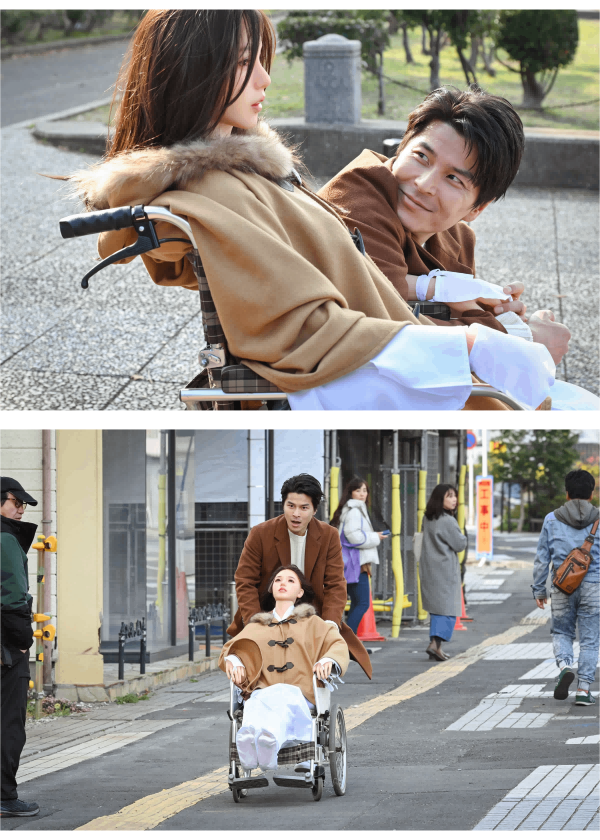
The film “Air Doll” also used this factory as a filming location.
In the movie, the factory was portrayed as the workplace of a lonely doll maker played by Joe Odagiri.
In reality, however, it is a bright and spacious workshop — a lively downtown factory filled with young staff members.
According to the company’s public relations representative:
“Originally, Katsushika had many toy manufacturers, and there were many soft vinyl factories around here.
At first, we outsourced doll production itself to mannequin factories.
However, those mannequin manufacturers gradually aged, many businesses closed down, and eventually we decided to establish our own factory and produce everything ourselves.”
“Our previous factory was nearby, but it became too small, so we moved here in 2004.
Around 2003–2004, there was a trend called ‘doll escort services.’
They were heavily featured on television programs.
The idea was that instead of hiring real women, businesses could place dolls and attract customers without labor costs.
This spread quickly through the adult entertainment industry.
We began receiving orders from completely different types of customers, and production expanded.
Of course, the trend disappeared after about a year.
Once people actually tried it, they realized dolls were even more difficult to maintain than humans (laughs).
At that time, our annual production reached around 1,000 units.
Even today, although we have expanded our product lineup, we still sell around 1,000 dolls per year across all models.
Prices range from 100,000 to 700,000 yen, and we have six basic body types.”
“We have gradually increased the number of heads and body types because we want to satisfy as many requests as possible.
In the past, we even received requests for completely custom faces.
People would bring photographs of deceased wives or daughters.
We tried doing that a little, but there were also disturbing cases where people brought secretly taken photographs of strangers and said, ‘Please make this.’
So we stopped accepting those requests.
If someone comes with a truly serious and sincere reason, we may reconsider in the future.”
According to one sculptor who accompanied the factory tour:
“Simply copying a beautiful person does not create an attractive doll.
If you perfectly reproduce the human body, it just becomes like a corpse.
You have to enhance and idealize human beauty.
The size of the face, skin color, breast size, even nipple color.
It may not really be this pink in reality, but this is the ‘dream woman,’ after all.”
He said this with a smile, but it was absolutely true.
Just as a fashion model’s proportions may not look impressive on a theater stage, there are certain faces and bodies that look most beautiful when sitting together on a sofa or lying on a bed.
The people at Orient Industry devoted themselves completely to understanding humanity’s deepest desires, accompanying them, and quietly creating companions unlike anything else in the world.
And they did so in Katsushika — on the edge of Tokyo’s old downtown district.